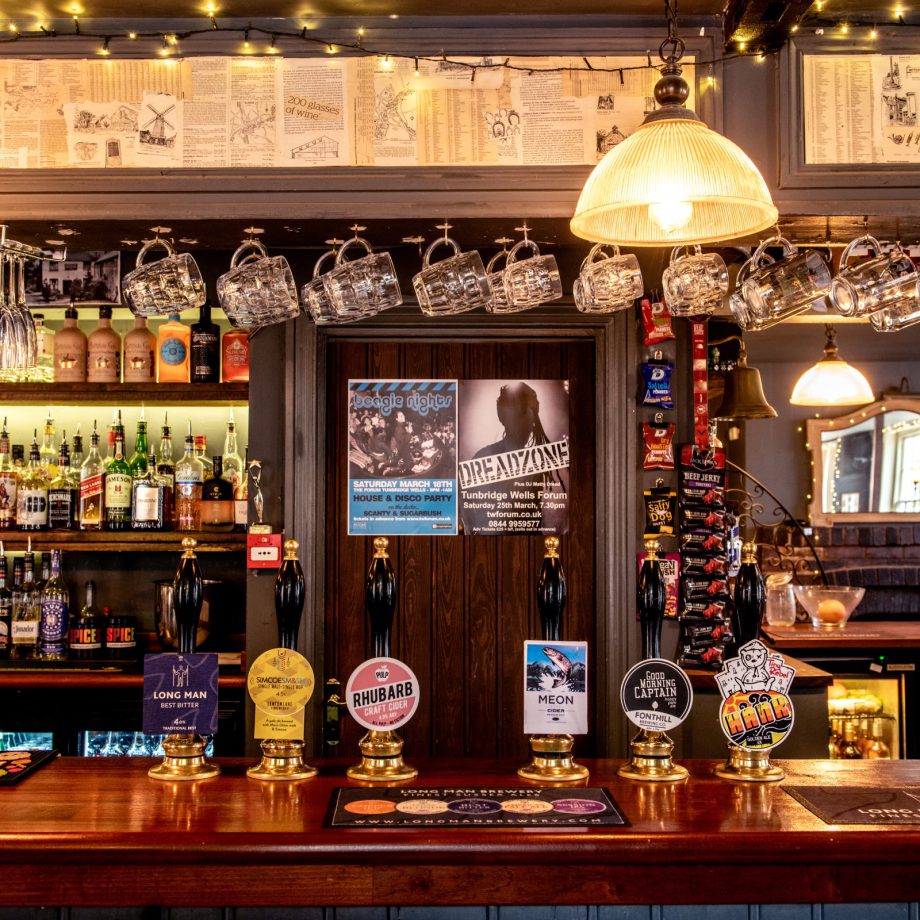
Tunbridge Wells works a bit differently to some other towns in the South East, in that you don’t need to spend your day travelling between disconnected attractions or planning a strict route before you arrive. Most of the best parts of the town sit within walking distance of each other, which means a day here tends to unfold naturally.
You can start with coffee on The Pantiles, drift towards independent shops and galleries, stop for lunch, spend an hour in the parks or around the Common, then settle into pubs, bars, or live music as the evening builds. That sense of flow is a huge part of what makes Tunbridge Wells work so well as a day trip or weekend stay.
This guide brings together the best things to do in Tunbridge Wells, including historic landmarks, green spaces, shopping areas, food spots, live music venues, and seasonal events. So regardless of whether you’re visiting for the first time or looking at the town with fresh eyes, this is the best place to start.
For a broader overview of the town itself, including travel tips and neighbourhoods, see our complete Pantiles & Tunbridge Wells Guide[link].
Explore The Pantiles
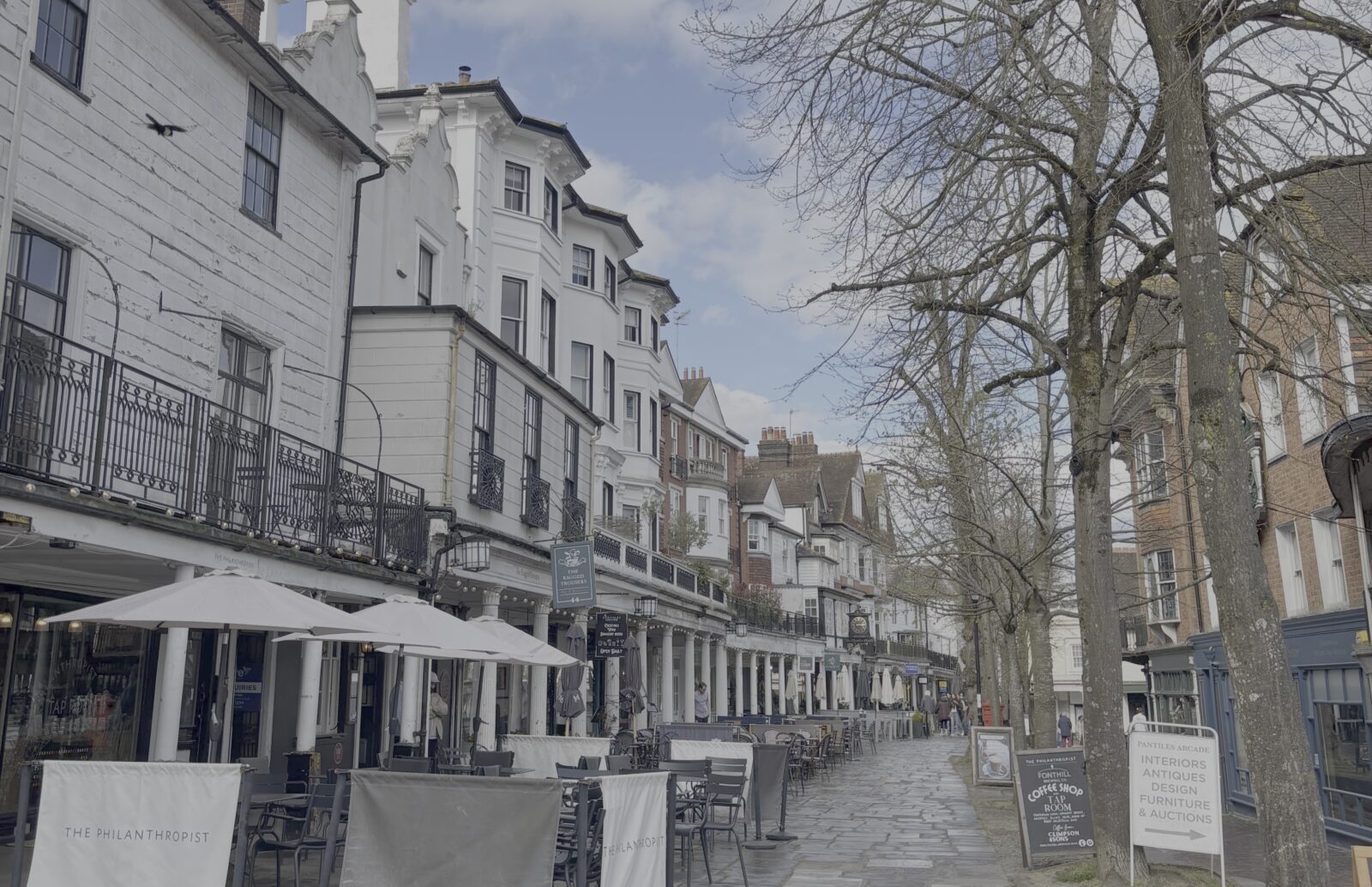
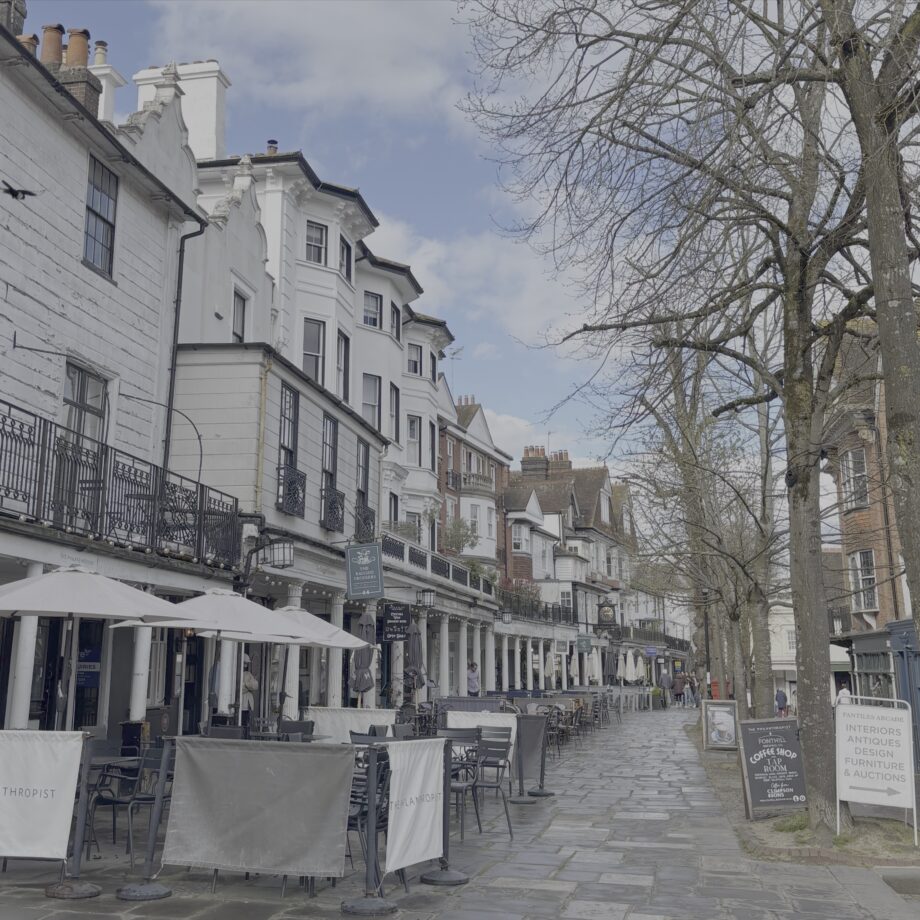
No visit to Tunbridge Wells feels complete without spending time on The Pantiles. The Georgian colonnade sits at the centre of the town socially and historically, and most days in Tunbridge Wells naturally begin here.
Originally developed around the Chalybeate Spring after its discovery in 1606, The Pantiles became a fashionable spa destination during the Georgian period. Today, it still feels like the heart of the town, although the experience is now shaped by cafés, restaurants, bars, galleries, boutiques, and seasonal events rather than spa culture.
The space works because it encourages wandering rather than rushing. The covered walkways, outdoor seating, and independent businesses make it easy to stop frequently and change plans as you go. During spring and summer especially, the atmosphere changes throughout the day, starting quietly with coffee and brunch before building towards evening drinks and live music.
The official Visit Tunbridge Wells guide describes The Pantiles as home to more than 70 shops, cafés, bars, and restaurants, alongside regular live music and seasonal markets.
If you want to spend longer around the area itself, these guides are worth reading next:
- Coffee Shops and Cafés in The Pantiles
- The Best Pantiles Restaurants and Cafes
- Bars in Tunbridge Wells
Visit the Chalybeate Spring
The Chalybeate Spring is the reason Tunbridge Wells exists in its current form. The iron-rich spring water discovered in the early 17th century turned what had been a quiet rural area into one of England’s best-known spa towns.
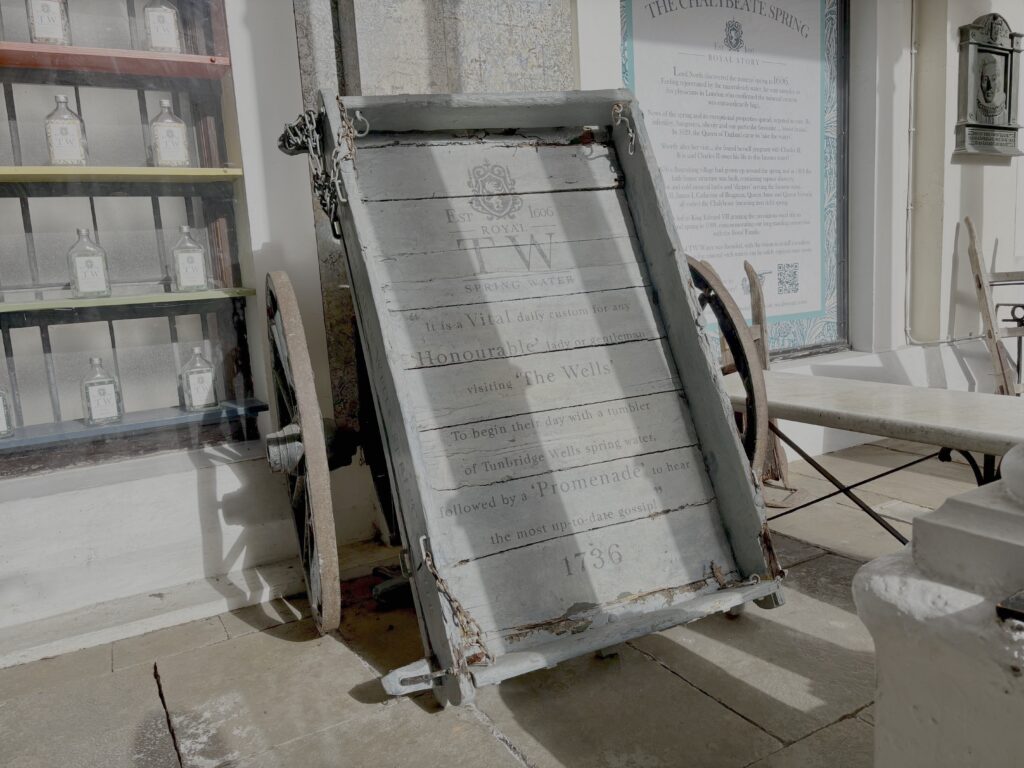
You will find the spring at the northern end of The Pantiles. During parts of the year, visitors can still sample the mineral water from the historic spring, continuing a tradition that dates back hundreds of years. The taste is unusual, metallic and heavy with iron, but trying it once feels like part of the Tunbridge Wells experience! (If you don’t feel like it though, you’d be welcome to grab a pint of Fonthill beer, made right here in Tunbridge Wells, over at The Philanthropist taproom and coffee shop on the Pantiles.)
Even if you skip the water itself, the spring helps explain why the town developed in the way it did. Much of the Georgian architecture and layout around The Pantiles exists because aristocratic visitors once travelled here for the supposed health benefits of the water.
If you are interested in the wider history of the town, the Visit Tunbridge Wells history guide gives useful background on how the spa culture shaped the area.
Spend Time in Dunorlan Park
Dunorlan Park gives you a completely different side of Tunbridge Wells. While The Pantiles feels busy and social, Dunorlan slows everything down.
The Victorian park sits around 25 to 30 minutes on foot from The Pantiles, heading east out of the town centre. Once you arrive, the atmosphere changes quickly. Open lawns, wooded pathways, formal gardens, and a large boating lake make it one of the best places in Tunbridge Wells to spend a quieter afternoon.
The park covers more than 70 acres and was originally designed in the 19th century by landscape gardener Robert Marnock. The lake remains the focal point, particularly during warmer months when rowing boats return to the water and people spread out across the grass for picnics and long walks.
One of the strengths of Dunorlan Park is how easy it is to fit into a wider day in town. You don’t need to dedicate an entire afternoon to it. Many visitors stop by after lunch before heading towards the Pantiles for drinks or evening plans.
If you are visiting Tunbridge Wells during spring or summer, Dunorlan is one of the best places to step away from the busier streets without needing transport.
For more, visit the official information page.
Walk Through Calverley Grounds
Calverley Grounds sits much closer to the centre than Dunorlan Park, making it one of the easiest green spaces to work into your day.
Located between the station and the town centre, the park acts almost like a transition point between different parts of Tunbridge Wells. You can walk through it on the way from the station towards The Pantiles, or stop there briefly between shopping, cafés, and restaurants nearby.
Compared with Dunorlan, Calverley Grounds feels more compact and social. During warmer months the lawns fill quickly with groups sitting outside, while events and seasonal activities regularly take place nearby.
It also connects naturally with some of the town’s biggest annual events. Local & Live, Tunbridge Wells’ long-running free music festival, uses nearby spaces and attracts large crowds to the park every summer.
The park is not necessarily a destination on its own, but it helps the town feel more open and walkable overall, which is one of the nicest things about Tunbridge Wells.
Discover Independent Shopping Areas
Tunbridge Wells works well for shopping because most of the interesting areas are connected together rather than spread across retail parks or large shopping centres.
The High Street, Chapel Place, Monson Road, and the streets around The Pantiles all offer a mix of independent retailers, galleries, bookshops, fashion boutiques, and furniture shops. You can move between them easily on foot without feeling like you’re leaving the centre behind.
Chapel Place in particular feels slightly quieter and more independent than some of the busier nearby streets. Small cafés and boutiques tucked into side roads give the area a slower pace, especially during weekday mornings.
Unlike larger shopping destinations, Tunbridge Wells still feels heavily shaped by independent businesses rather than chains — it’s part of what makes the town special. It gives the centre more personality and makes wandering around far more enjoyable than simply moving from one shop to another.
A lot of the best discoveries happen accidentally here. You might head towards one shop and end up spending an hour somewhere completely different because the town naturally encourages wandering.
Visit The Amelia Scott
The Amelia Scott has become one of the most important cultural spaces in Tunbridge Wells. Located close to the station and Calverley Grounds, the building combines museum, gallery, archive, library, and community space under one roof.
The venue hosts exhibitions, talks, creative events, workshops, and permanent collections connected to local history and art.
It works particularly well on rainy days or during quieter mornings before the rest of the town becomes busier. Because entry to many areas is free, it is also one of the easiest activities to fit into a shorter visit.
The Amelia Scott helps explain the wider story of Tunbridge Wells beyond The Pantiles, covering everything from local archaeology to social history and changing town life across different eras.
For more information, visit the official website.
Explore Tunbridge Wells Common and Wellington Rocks
Tunbridge Wells Common introduces a wilder side to the town that many first-time visitors do not expect.
The Common stretches across large areas just west of the centre, combining woodland paths, sandstone rock formations, open viewpoints, and quieter walking trails that feel surprisingly rural considering how close they are to the town.
Wellington Rocks is one of the best-known areas within the Common. The dramatic sandstone formations attract climbers, walkers, photographers, and families throughout the year, while the surrounding woodland paths are ideal if you want a longer walk without leaving town.
The Common also helps explain why Tunbridge Wells became such an attractive retreat historically. Even today, it still feels easy to move from busy cafés and restaurants into woodland within minutes.
If you are planning a slower day in town, combining The Pantiles, the High Street, and the Common works especially well.
Ride the Spa Valley Railway
The Spa Valley Railway offers a simply delightful experience near Tunbridge Wells, especially if you enjoy heritage railways or slower day trips through the countryside.
The railway runs between Tunbridge Wells West and Eridge using restored heritage trains and historic stations. Seasonal events throughout the year include dining experiences, afternoon tea journeys, family events, and themed rail trips.
Even if you are not especially interested in trains, the route itself passes through beautiful countryside and gives a completely different perspective on the surrounding area.
The railway also connects naturally with a wider Tunbridge Wells visit because Tunbridge Wells West station sits within walking distance of The Pantiles and the town centre.
For tickets, dates and times, visit their website.
Enjoy Live Music in Tunbridge Wells
Live music is a much bigger part of Tunbridge Wells than many visitors expect. During the warmer months especially, music becomes woven into the atmosphere of the town itself.
The Pantiles hosts regular live performances around the bandstand throughout spring and summer, with jazz nights, outdoor concerts, and ticketed events drawing large crowds into the centre. Restaurants and bars surrounding the space often stay busy well into the evening during these events.
Beyond The Pantiles, Tunbridge Wells has a strong grassroots music scene built around smaller venues that continue to support touring artists, local bands, comedy nights, and alternative culture.
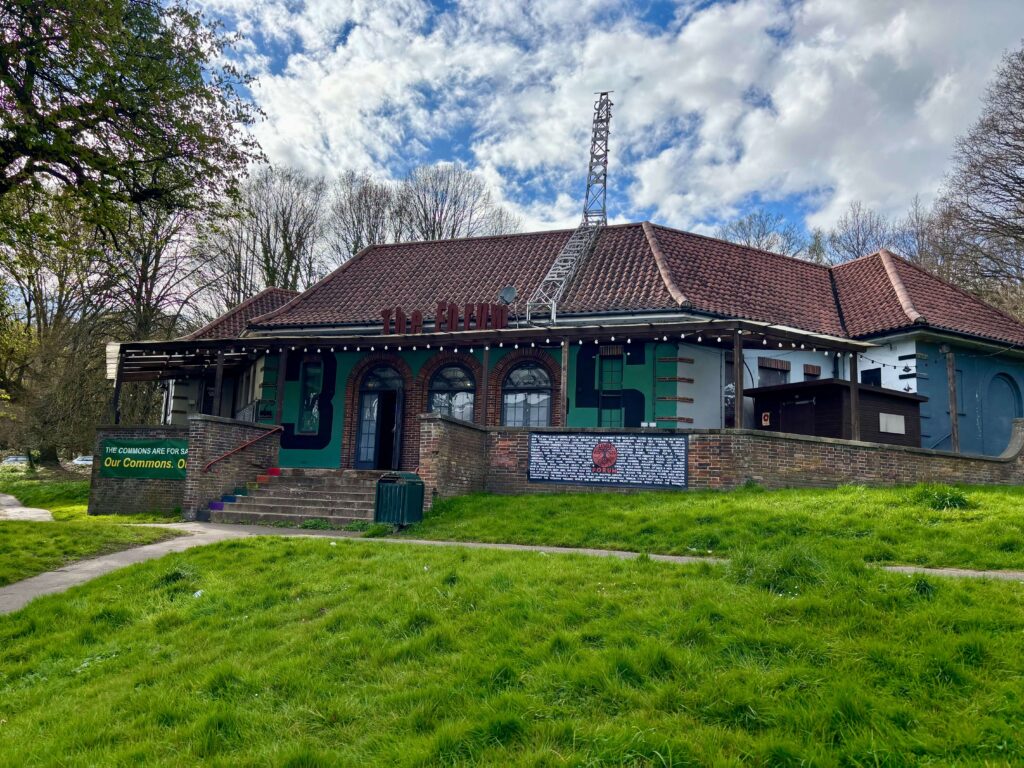
The Forum remains one of the best-known grassroots venues in Kent, while The Forum Basement at The Sussex Arms continues that independent live music tradition in a smaller, more intimate setting.
If live music is part of your plans, these guides are worth reading next:
- Live Music in Tunbridge Wells
- Live Music & Alternative Culture Guide (coming soon)
- Best Live Music Venues in Kent (coming soon)
Experience Local Festivals and Events
Tunbridge Wells changes noticeably throughout the year because the town has a steady calendar of festivals, markets, and seasonal events.
Summer tends to be the busiest period, particularly around The Pantiles where live music events and outdoor dining create a much more social atmosphere across the town centre.
Unfest has become one of the best-known annual events locally. The free, fringe-style festival spreads across multiple venues throughout Tunbridge Wells and combines live music, art, theatre, comedy, and independent culture.
Local & Live is another major highlight, bringing free live music performances into Calverley Grounds and nearby venues every summer while supporting grassroots artists.
Seasonal events also shape the town later in the year. The Tunbridge Wells Christmas Market draws large crowds into The Pantiles and surrounding streets, while winter events help maintain activity even outside the main tourist season.
For current events and seasonal activities, check:
Eat Your Way Around the Town
Food and drink play a major role in how people experience Tunbridge Wells. Most visitors naturally structure the day around cafés, pubs, brunch spots, restaurants, and bars without necessarily planning to.
One of the advantages of the town’s layout is that you rarely need to commit to a single area. You can start with coffee at The Pantiles, move towards Chapel Place for lunch, head into the parks for an hour, then return towards the centre for dinner and drinks.
The variety is also stronger than many people expect from a town this size. Traditional pubs sit alongside modern European restaurants, wine bars, Mediterranean kitchens, craft beer venues, brunch cafés, and independent bakeries.
The Pantiles itself remains one of the strongest areas for atmosphere, particularly during evenings when outdoor tables fill up and the whole colonnade becomes more animated.
If food is a major part of your plans, continue with:
Spend an Evening at The Sussex Arms
After a full day around Tunbridge Wells, most people eventually look for somewhere to settle into properly during the evening.
The Sussex Arms fits naturally into that rhythm because it combines several parts of the town’s identity in one place. Traditional pub atmosphere, craft drinks, independent culture, and live events all come together without feeling forced.
Sitting just across from Linden Park Road car park and a short walk from The Pantiles, it works equally well whether you want a quieter pint after exploring or a full evening built around live music downstairs at The Forum Basement.
Unlike larger chain venues, places like The Sussex still feel connected to the local music and pub scene directly. That independent character is part of what keeps Tunbridge Wells interesting after dark.
If you are planning an evening out, especially after spending time on The Pantiles, it makes a natural final stop.
More information:
Take a Short Trip Beyond the Town Centre
Although Tunbridge Wells itself can easily fill an entire day or weekend, several excellent attractions sit just outside the centre if you want to explore further.
Scotney Castle
Scotney Castle remains one of the most popular nearby attractions. The National Trust property combines a romantic moated castle, landscaped gardens, woodland walks, and a larger country estate. It sits around 20 minutes outside Tunbridge Wells by car.
Learn more about Scotney Castle.
Bewl Water
Bewl Water offers walking, cycling, sailing, kayaking, and open countryside around one of the South East’s largest reservoirs. During warmer weather especially, it becomes one of the best nearby spots for outdoor activities.
Bedgebury National Pinetum and Forest
Bedgebury combines forest trails, cycling routes, family activities, and Go Ape adventures across a large woodland setting. It works particularly well for longer outdoor days.
Learn more on the official website.
Groombridge Place
Groombridge Place mixes formal gardens, woodland walks, and family-friendly attractions within a historic manor setting just outside Tunbridge Wells.
Visit the Groombridge Place website.
Is Tunbridge Wells Worth Visiting?
Tunbridge Wells works best for people who enjoy places that unfold gradually rather than relying on one major attraction.
You are unlikely to spend the entire day queueing for landmarks or rushing between tourist hotspots. Instead, the town rewards slower exploration. Coffee becomes lunch, lunch turns into drinks, and before long the evening has arrived without needing much planning at all.
That rhythm is what separates Tunbridge Wells from many nearby day-trip destinations. The combination of historic architecture, independent businesses, green spaces, live music, and walkability gives the town a strong sense of identity without feeling overwhelming.
It also works across different types of visits. You can spend a relaxed few hours around The Pantiles, build a full weekend around food and events, or use the town as a base for exploring the wider Kent countryside.
Most importantly, Tunbridge Wells still feels like a real town rather than a place designed entirely around tourism. The cafés, pubs, music venues, parks, and shopping areas continue to serve local life first, which gives the whole place far more character.
Planning Your Visit to Tunbridge Wells
Direct trains from London Charing Cross and London Bridge to Tunbridge Wells take under an hour.
Once you arrive, most of the main areas are walkable. The station sits close to Calverley Grounds and only a short walk from The Pantiles, while most restaurants, bars, parks, and venues can be reached within around 5 to 20 minutes on foot.
If you are driving, central car parks around Linden Park Road, Great Hall, and the station make it relatively easy to access the centre without a long walk afterwards.
For broader travel tips, parking information, and local area guides, head back to our full Pantiles & Tunbridge Wells Guide.
Related Posts
The Pantiles & Tunbridge Wells Guide (2026)
Cafes in Tunbridge Wells

Bars in Tunbridge Wells